
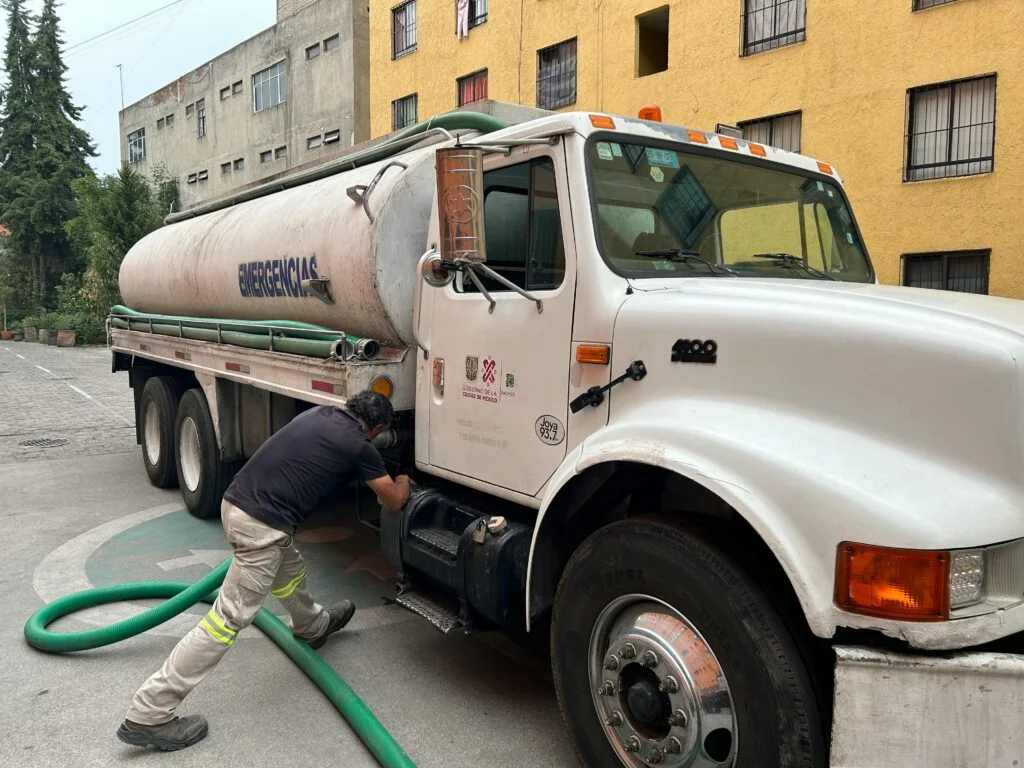
Septic System Crisis: Your 24/7 Guide to Emergency Septic Tank Plumbing
24/7 Emergency Septic Tank Plumbing: Backups, Repairs & Pumping | Call (866) 849-1588
Table of Contents
ToggleFacing a septic system failure? Get immediate 24/7 emergency septic tank plumbing, pump-outs, and drain field repairs from certified local experts across the USA. Fast response for sewage backups and system failures.
1. The Hidden Network: Why Septic Emergencies Are Critical
For homes not connected to municipal sewer lines, the septic tank system is the lifeblood of wastewater management. This crucial underground network—consisting of the tank, the outlet baffling, and the drain field (leach field)—operates silently until a failure occurs. When a septic system fails, it often goes from functioning normally to total collapse quickly, triggering a genuine emergency.
An Emergency Septic Tank Plumbing situation is far more severe than a standard drain clog. It involves the failure of the entire waste disposal infrastructure, leading to sewage backup or environmental contamination. These emergencies are critical because they pose dual threats:
Biohazard Risk: Backed-up sewage is classified as Category 3 “Black Water” and carries harmful pathogens, viruses, and bacteria, posing a severe health hazard to occupants.
Property Damage & Contamination: Failure leads to contaminated wastewater saturating your yard, damaging the drain field (which is costly to repair), and potentially polluting groundwater.
Immediate professional assistance is essential for containment, safe remediation, and restoring this vital system for homeowners and renters across the USA.
2. Red Alert: 5 Signs That Demand Emergency Septic Service
If you notice any of these signs, stop using water immediately and call a professional septic service provider through Local Plumber 24×7.
Sewage Backups: The Immediate Biohazard
This is the most unambiguous sign of a catastrophic failure. If sewage is backing up into your drains, toilets, or showers, it means the septic tank is completely full, the outlet line is blocked, or the drain field has failed entirely. This is a severe biohazard that requires immediate professional emergency septic pumping and line clearing.
Foul Odors: Escaping Septic Gases
A strong, persistent odor of raw sewage, especially near the septic tank, drain field, or inside the home near drains, indicates a problem. This could be due to a damaged tank lid, a compromised vent pipe, or a failed outlet baffle. The smell is caused by toxic sewer gases (like hydrogen sulfide and methane), which are flammable and dangerous in high concentrations.
Soggy Drain Field: Water Pooling in the Yard
If you see standing water, unusually lush green grass, or muddy patches in the area over or near your drain field, it means the soil is saturated. The wastewater is not being properly absorbed and is rising to the surface. This is a sign of a failed or overloaded drain field, which requires immediate diagnosis to prevent permanent environmental damage and system collapse.
Slow Drains and Fixture Issues (Beyond a Simple Clog)
If multiple drains throughout your house (sinks, tubs, toilets) are suddenly draining very slowly, and a plunger or home snake fails to clear them, the problem is likely in the mainline leading to the septic tank or the tank itself. This indicates that the tank is near capacity and the wastewater is struggling to escape.
Alarm Activation: The Septic Pump Warning
If your system uses a pump (often in homes with a lift station or those built on uneven terrain), and the alarm is sounding, it means the water level in the pump chamber is dangerously high. This is often due to a failed float switch, a stuck pump, or a power failure to the pump. Ignoring this alarm will lead to an immediate sewage backup.
3. Understanding the Crisis: Common Causes of Septic Failure
Septic systems fail for various reasons, but they usually boil down to neglect or misuse. Knowing the cause guides the proper emergency repair.
Infrequent Pumping: The solids (sludge) at the bottom of the tank must be pumped out every 3–5 years. If ignored, the solids build up and eventually leave the tank, clogging the drain field irreparably.
Non-Biodegradable Items: Flushing anything other than human waste and toilet paper (e.g., ‘flushable’ wipes, hygiene products, paper towels) disrupts the natural bacterial balance and fills the tank with non-decomposing solids, leading to premature overflow.
Hydraulic Overload: Excessive water usage (e.g., running multiple washing machine loads in one day, or a continuously running toilet) floods the system, preventing the drain field from adequately absorbing the effluent.
Root Intrusion: Tree and shrub roots can infiltrate the pipes leading to or from the tank, causing massive blockages and fracturing the lines.
Vehicle Traffic: Driving or parking heavy vehicles over the drain field compacts the soil, reducing its ability to absorb liquid and causing failure.
4. The Professional Solution: Emergency Septic Plumbing Interventions
A certified septic technician through Local Plumber 24×7 approaches these emergencies with specialized equipment and a precise process.
Emergency Septic Pumping (Pump-Out)
In the event of a sewage backup, the first and most critical step is an emergency pump-out. This involves emptying the septic tank to immediately relieve pressure on the system, stop the sewage backup inside the home, and provide the technician time to diagnose the underlying blockage or failure.
Septic Tank Baffle and Filter Repair
If a clog is localized, it may be caused by a failed outlet baffle (which prevents sludge from exiting the tank) or a clogged effluent filter. Technicians will access the tank and use specialized tools to repair the baffle, clear the filter, or jet the line leading out to the drain field.
Drain Field Assessment and Restoration
For a failed drain field, the emergency service includes an assessment using cameras and probes. Minor failures can sometimes be temporarily alleviated by resting the system (reducing water use). However, severe failures often require hydro-jetting the lateral lines or, in the worst-case scenario, replacing portions of the drain field.
5. Stop the Spread: Immediate Actions Homeowners Must Take
If you suspect a septic emergency, your immediate actions are vital for minimizing damage and reducing health risks.
Stop Water Use IMMEDIATELY: Do not flush toilets, run water, or use the washing machine or dishwasher. Every gallon of water used contributes directly to the backup.
Go Outside and Look: Check the area near your tank lid and drain field for any standing water or odor. Keep pets and children away from any pooling water.
Check the Alarm: If your system has an alarm, check the power supply (it may be a tripped breaker) or listen for the warning siren.
Open Windows: If odors are strong inside the house, ventilate the area immediately.
Call (866) 849-1588: Contact our partner emergency septic service immediately for rapid dispatch.
6. The Local Plumber 24×7 Advantage: Septic Expertise When You Need It
Managing a septic system requires a unique set of skills and specialized licenses that differ from standard municipal plumbing. Local Plumber 24×7 connects homeowners across the USA with highly-vetted, certified septic experts who understand the intricate balance of anaerobic systems and drain field mechanics.
We ensure rapid response, utilize the latest diagnostic tools (like septic tank cameras and ground probes), and provide reliable, guaranteed solutions for critical septic tank failures, giving you the peace of mind that your waste system is managed safely and effectively. We prioritize safety, speed, and environmental responsibility.
7. FAQs About Emergency Septic Tank Plumbing
Q1: Is a sewer backup always a septic failure?
If your home uses a septic system, then a multi-fixture backup almost certainly points to a septic system issue (full tank, blocked outlet, or failed drain field). However, if your home is connected to a municipal sewer, the backup could be a main municipal line blockage. Our professionals will diagnose the system type and pinpoint the exact source quickly.
Q2: Can I use my water at all while waiting for the septic service?
No. Once a backup or failure is suspected, you must stop all water usage—no flushing, no showers, no laundry, no running sinks. Every drop of water will contribute to the backup or flood the drain field further. Use alternative facilities or bottled water until the professional has cleared the line and relieved the pressure.
Q3: How often should I pump my septic tank to prevent emergencies?
Most experts recommend pumping a septic tank every 3 to 5 years, depending on the tank size and the number of people in the household. This preventative maintenance is the single most effective way to prevent catastrophic failures and extend the life of your drain field.
Q4: What is the most common cause of drain field failure?
The most common cause is sludge carryover, which happens when the tank is not pumped frequently enough. The sludge exits the tank and clogs the porous soil of the drain field (biomat layer), making it impermeable. Once the drain field fails, repair can be very expensive, often requiring replacement.
Q5: Will flushing bleach or chemical cleaners damage my septic system?
Yes. Flushing harsh chemicals, disinfectants, or large amounts of bleach can kill the beneficial bacteria inside the septic tank that are necessary for breaking down solids. This disruption impairs the system’s ability to process waste, leading to a buildup of solids and eventual failure. Use natural, septic-safe cleaners.
Q6: Can a clogged septic vent cause odors inside the house?
Yes. If the septic vent pipe (usually located on the roof) is blocked by snow, leaves, or a bird’s nest, the gases cannot escape properly. This can cause pressure imbalances that force sewer gases backward through the drain lines and into the house, causing foul odors.
8. Protect Your Property and Health: Take Action Today
A septic system crisis is not a problem you can afford to ignore or delay. Immediate professional intervention is required to protect your family from contamination and safeguard the value of your property. Trust the certified, 24/7 experts in the Local Plumber 24×7 network to handle your septic emergency with precision, speed, and environmental care.
If you suspect a septic system failure or sewage backup, do not wait! Call (866) 849-1588 now for emergency septic tank plumbing service.
Quick Service On Emergency Call - 24/7
When plumbing emergencies strike, our team is ready to respond instantly. No matter the time—day or night—you’ll get a trained professional at your doorstep. We ensure fast action to prevent damage and restore things to normal quickly.
